


GL5T, Fox Harbour NS Canada, 2007

GL5T, Fox Harbour NS Canada, 2007

Summary

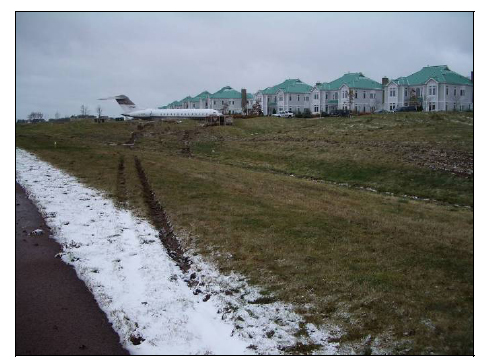
On 11 November 2007, a Bombardier BD-700 (Global 5000) operated by Canadian charter company Jetport touched down short of the runway at destination Fox Harbour in normal daylight visibility and then directional control was lost and the aircraft exited the side of the runway ending up having rotated 120° clockwise about its fore-aft axis and came to rest approximately 300metres from the threshold and approximately 50 meters from the runway edge. As a result, the co pilot and one of the passengers suffered serious injuries and the other eight occupants suffered minor injuries. The aircraft sustained major structural damage.

Description

On 11 November 2007, a Bombardier BD-700 (Global 5000) operated by Canadian charter company Jetport touched down short of the runway at destination Fox Harbour in normal daylight visibility and then directional control was lost and the aircraft exited the side of the runway ending up having rotated 120° clockwise about its fore-aft axis and came to rest approximately 300 metres from the threshold and approximately 50 meters from the runway edge. As a result, the co pilot and one of the passengers suffered serious injuries and the other eight occupants suffered minor injuries. The aircraft sustained major structural damage.

GL5T point of departure RWY

Investigation

An Investigation was carried out by the Canadian Transport Safety Board. It found that the flight crew had low experience on a new and larger aircraft type than the similar one which they had previously operated and was operating to an aerodrome known for its multiple hazards on a day of strong gusting winds. Because the crew had both operated to this destination frequently in the past, they were comfortable with completing the flight. They flew the same profile they had flown on previous flights without taking into consideration the greater eye-to-wheel height of the aircraft they were flying compared to the previous smaller aircraft they had been used to or following the manufacturer’s recommended procedures for approach vertical profile and handling techniques. The Investigation considered that

“these deviations from recommended procedures increased crew workload and reduced the safety margin and the crew failed to appreciate that they were too low until the energy state of the aircraft made pitching up an ineffective recovery action.”

The full content of this page is available to registered users only.
Please Log in or Register

SKYbrary Partners:

Safety knowledge contributed by: